
ICELANDIC EDUCATIONAL SYSTEM: EXPLANATION AND WORKSHOP.
Education through life
Every PMS Erasmus Plus course held in Iceland includes a dedicated study of the country’s education system. Understanding how Icelandic schools work — and why they work the way they do — is part of what makes a mobility to Reykjavík more than a training week abroad.
Iceland’s national strategy for education runs to 2030 and sets a single ambition: high-quality education throughout life. Four values run underneath it — resilience, courage, knowledge and happiness. What visiting teachers notice first is rarely the policy document: it is the high level of trust placed in teachers, the sustained investment in the early years, and the insistence that well-being and nature are part of being educated.
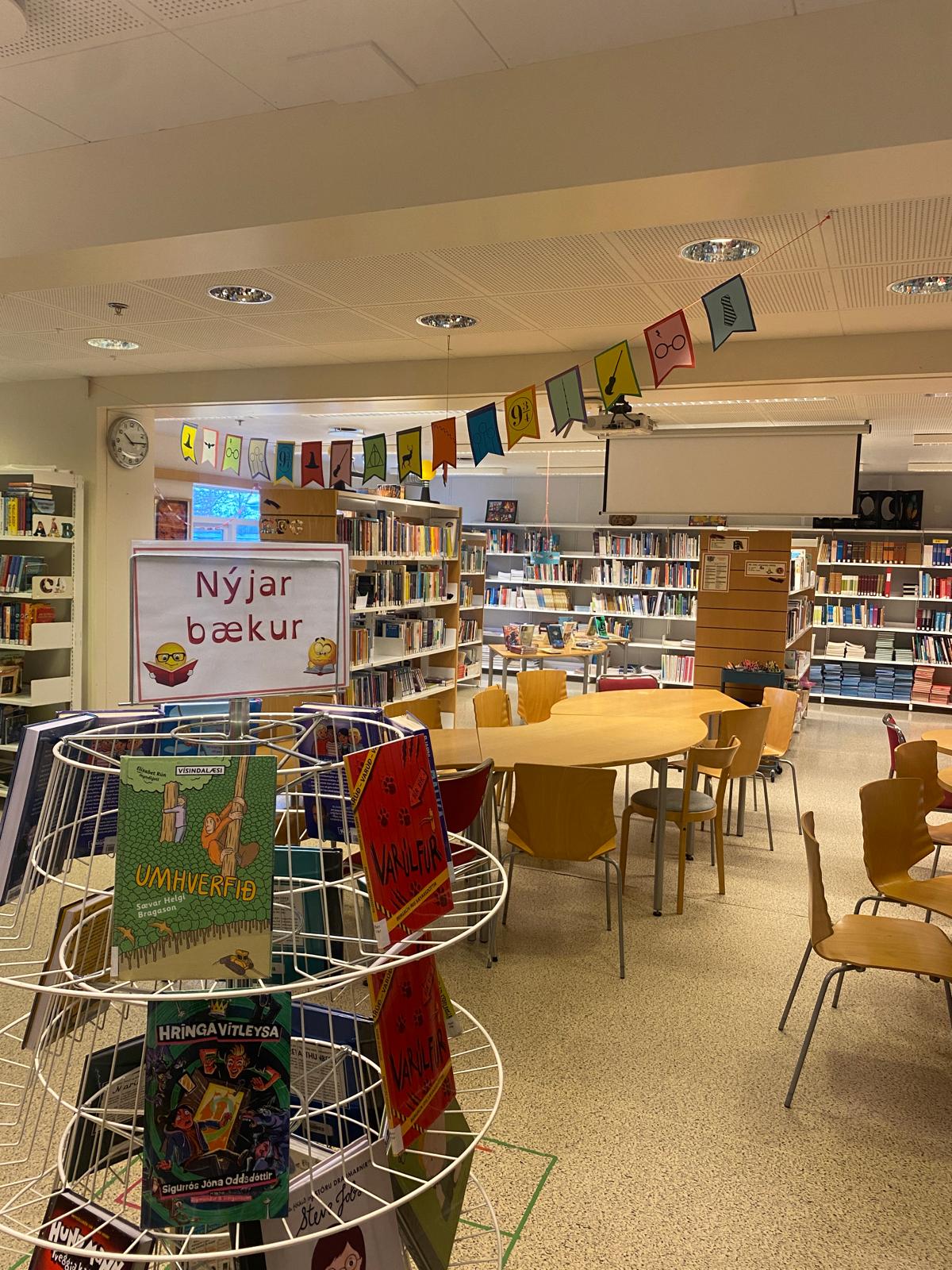
One principle sits beneath all of it: everyone is entitled to equal opportunity in education, regardless of sex, economic status, place of residence, religion, disability, or cultural and social background.
Day 7 of the course in Iceland
The seventh and final of some PMSE+ training courses in Iceland isdevoted to the Icelandic educational system.
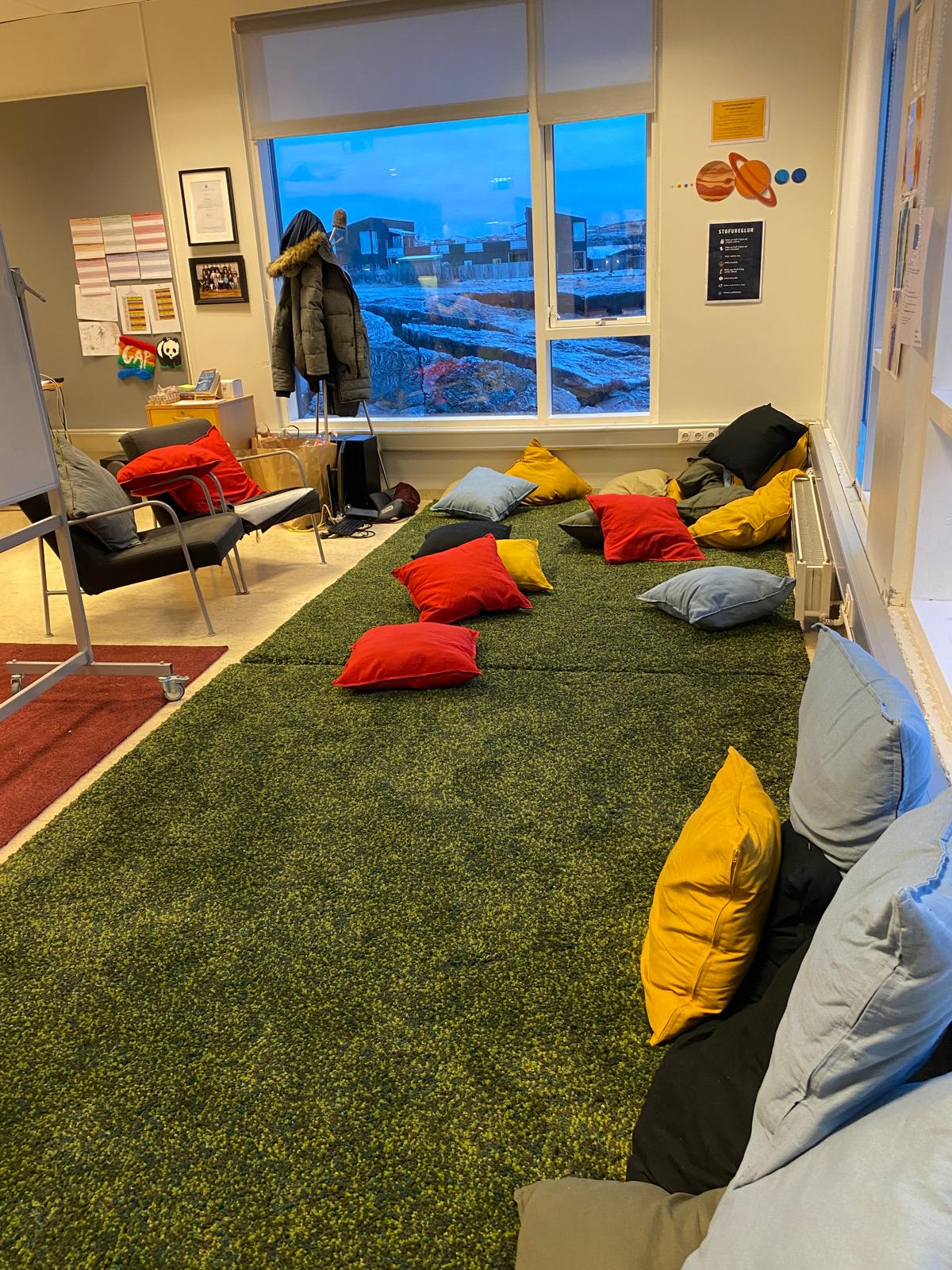
The Icelandic Educational System
An interactive presentation covering the structure of the Icelandic education system, the national curriculum, teacher education, inclusion, assessment, digital learning, student well-being and current educational priorities. Participants are encouraged to ask questions throughout and to compare Icelandic practice with their own national context.
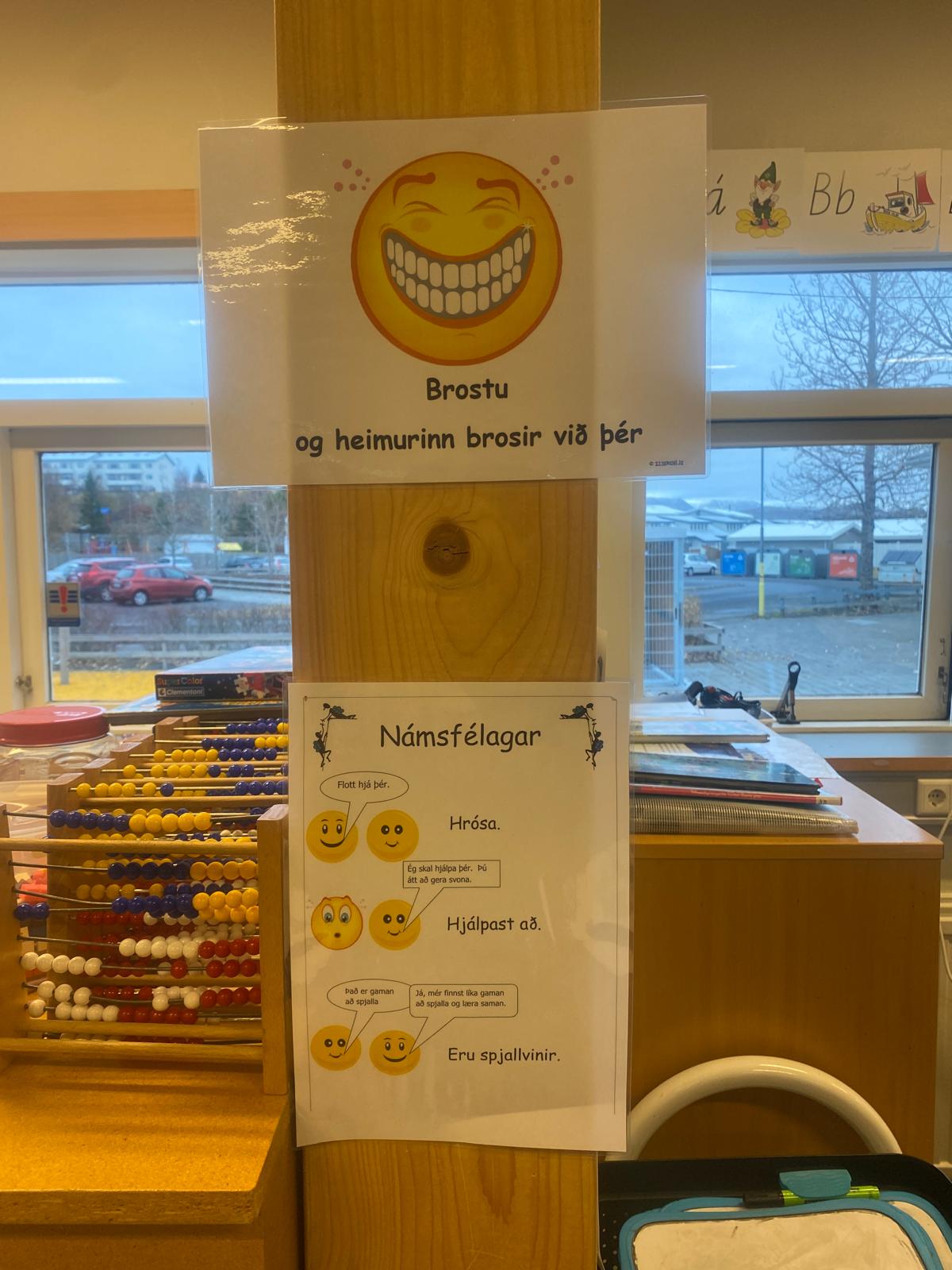
Comparative education workshop: learning from Iceland
Participants take part in a World Café exploring inclusion, student well-being, assessment, digital education, teacher autonomy and outdoor learning. Working in international groups, they compare these approaches with those of their own countries and identify practices that could realistically transfer to their own schools. The workshop closes with a Gallery Walk and an individual Action Plan: every participant leaves with two concrete ideas to implement in their own educational context.
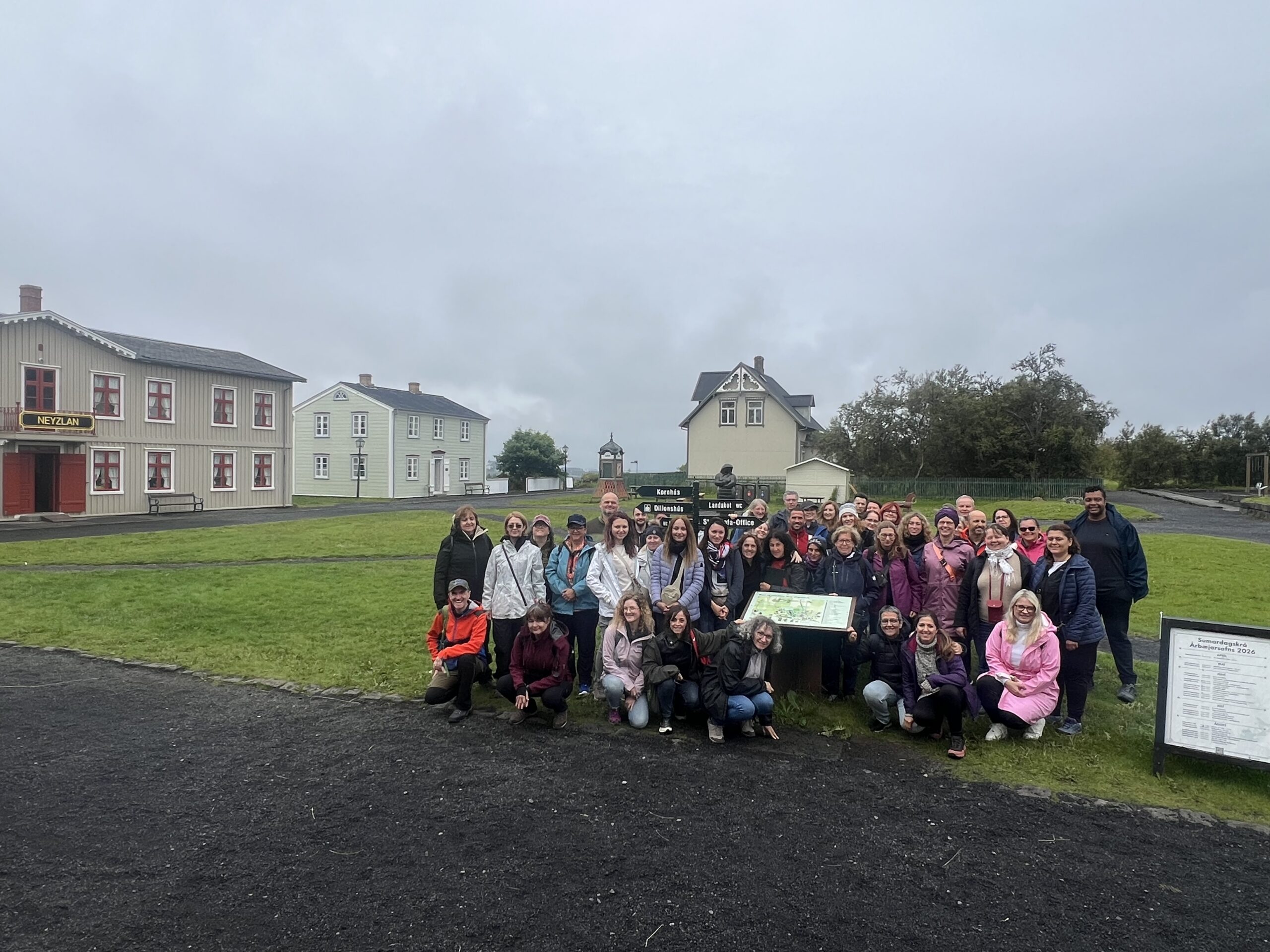
Guided visit: Árbær Open Air Museum
The day ends with a guided visit to Árbær Open Air Museum, where participants explore traditional Icelandic buildings and learn about the country’s cultural heritage, history and everyday life. Beyond the networking value of a shared final activity, the visit provides the cultural context that explains many of the societal values behind Icelandic education.
Erasmus+ courses in Iceland
All PMSE+ courses in Iceland are delivered in Reykjavík by our locally established organisation, meeting the Erasmus+ 2025 requirement that activities take place in the country where the host organisation is legally established. The Learning Agreement is issued at the moment of registration.
ICELAND'S Education Policy 2023
01
Equity
Equal access to education for every learner, wherever they live and whatever their background.
02
Teaching
Strengthening the profession, teacher education and continuing development.
03
Skills for the future
Preparing students for a changing world, with an emphasis on creativity and critical thinking.
04
Well-being
Placing physical and mental health at the centre of school life.
05
Education system quality
Continuous improvement, monitoring and accountability across all levels.
Source: Education Policy 2030, Icelandic Ministry of Education, Science and Culture — government.is